As an Amazon Associate this site earns from qualifying purchases.
Top Picks
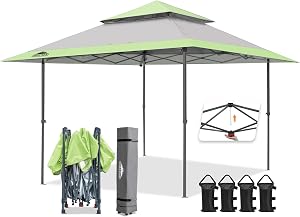
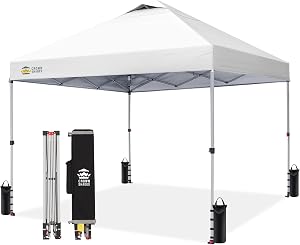
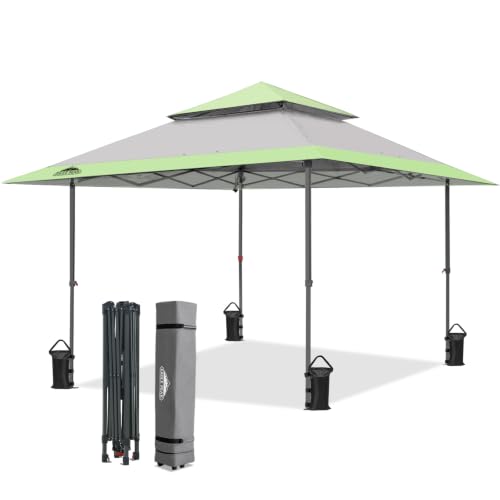
- EASY SETUP: This easy setup pop up canopy tent features the Peak Push system, a patented canopy center lock. The portable canopy requires no tools and easily opens and closes from
- VENTED TOP & AUTOMATIC EXTENDED EAVES: Stay cool with the EAGLE PEAK VENT that allows for greater airflow while you work or relax. The canopy’s automatically extending eaves open
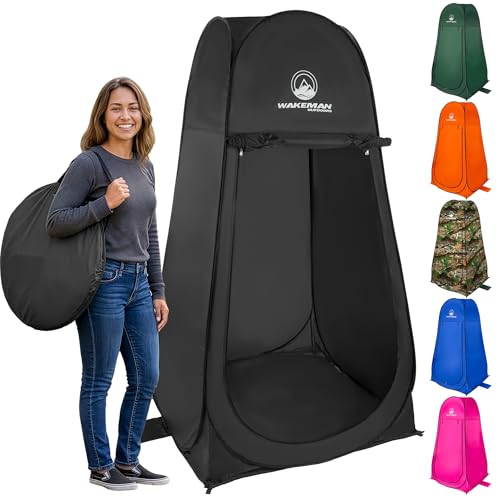
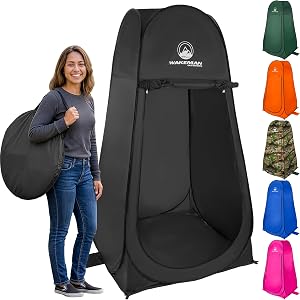
- MULTIPURPOSE PRIVACY TENT - This versatile shelter with a removable bottom can be used as an outdoor shower enclosure, changing room, portable bathroom, or pop up privacy tent for
- POP UP INSTALLATION - This tent automatically pops open in seconds with no assembly required. The dual-sided zippered door of this portable shower tent can be shut for privacy or
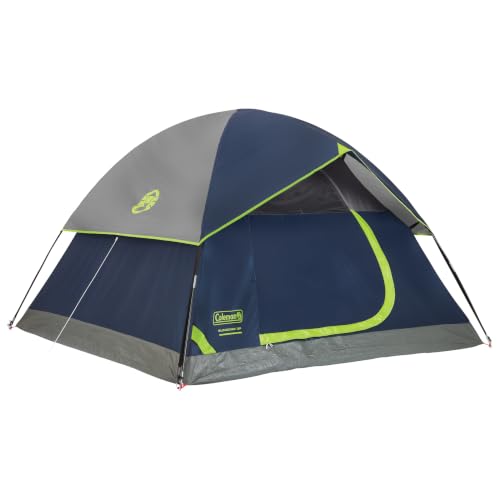
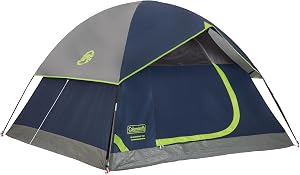
- Quick Setup in Just 10 Minutes: Spend more time relaxing outdoors and less time assembling your tent—snag-free continuous pole sleeves and Insta-Clip pole attachments make setup
- Stay Dry and Protected: The WeatherTec system’s patented welded corners and inverted seams help keep water out so you stay dry even during unexpected rainstorms
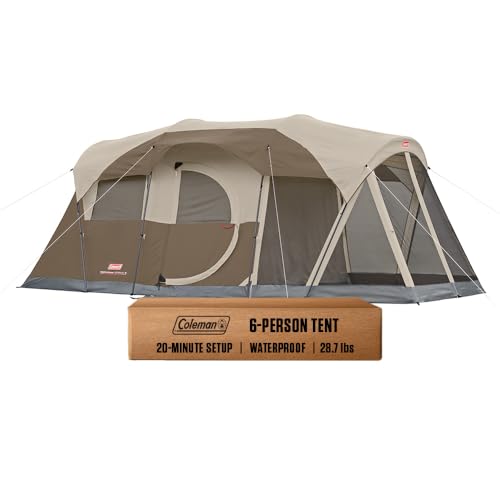
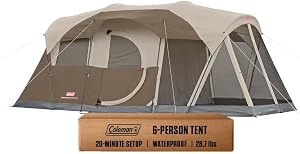
- Spacious 6-Person Family Tent: Comfortably fits two queen-size airbeds with extra room for gear—ideal for family camping trips or group getaways in the great outdoors
- Screened-In Porch for Bug-Free Relaxation: Enjoy the outdoors without the insects—screened room offers a comfortable, protected space for lounging, dining, or storing muddy gear
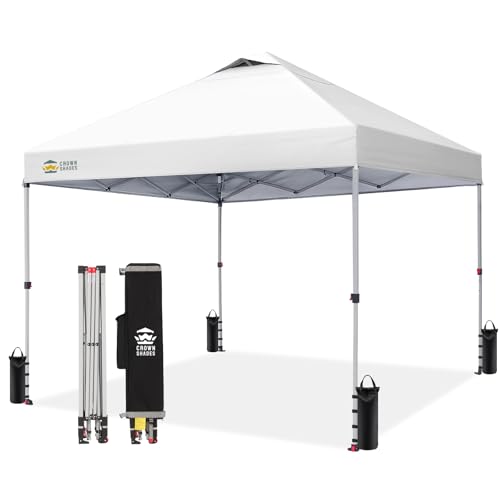
- ONE BUTTON EASY SET UP - Our 10x10 pop up canopy tent features patented one push center lock tech. With just a single push, the central hub locks the poles in place. Designed for
- FAST CLIP CANOPY FABRIC - The new clip system easily attaches the canopy fabric to the frame. The silver-coated interior provides UPF 50+ UV protection, ensuring cooler and safer
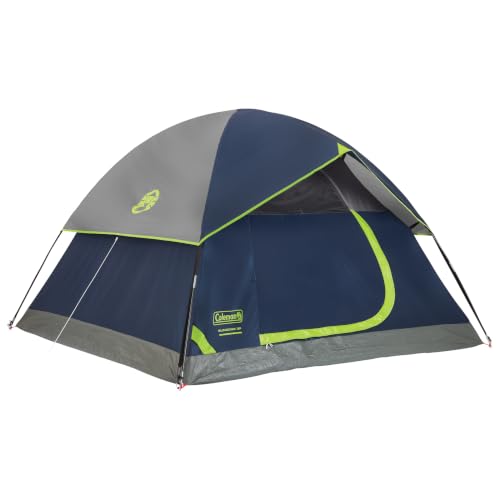
- Weather Protection You Can Trust: Stay dry and comfortable with the WeatherTec system’s welded corners and inverted seams that help keep water out, even during unexpected rain
- Quick & Easy Setup: Spend more time outdoors and less time pitching your tent. Snag-free, continuous pole sleeves and Insta-Clip pole attachments make setup fast and
Why Your First Kit Matters More Than You Think
Think of your . Choose wisely, and nature becomes your playground. Choose poorly, and you'll be that person counting down the hours until checkout.
Quick Stats Every Camper Should Know
| Statistic | Why It Matters |
|---|---|
| 57 million Americans camp each year | You're joining a massive community |
| 3 nights is the average trip length | Pack accordingly, not excessively |
| 40% of gear failures happen on first use | Test EVERYTHING before you leave home |
| $300-$500 typical first-kit investment | Quality beats quantity every time |
Your Adventure Starts Here
There's something magical about that first night under a canopy of stars, the crackle of a campfire echoing through pine trees, and the deep, soul-restoring silence that only the wilderness can offer. But here's the truth nobody tells you: the difference between a magical .
Whether you're planning a weekend escape to a national park or finally crossing "sleep under the stars" off your bucket list, this is your complete roadmap to building a .
> "The mountains are calling and I must go." — John Muir
Featured recommendations from our review database — direct Amazon links below.
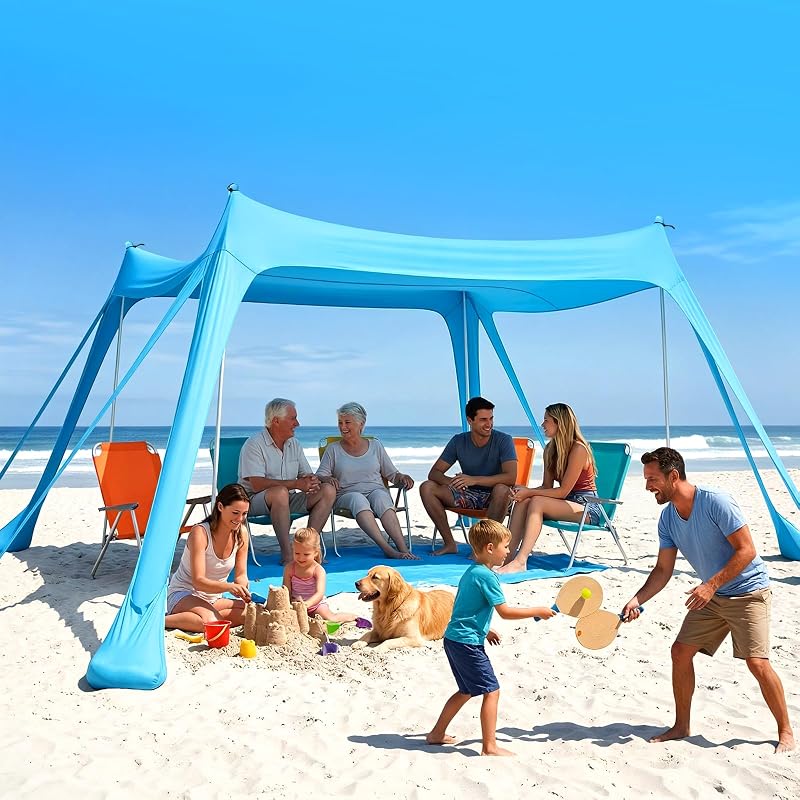
Featured recommendations from our review database — direct Amazon links below.
The Big Three: Your Non-Negotiable Foundation
Before you even think about marshmallow forks and , master these three categories. They're the difference between an epic story and a 911 call.
1. Shelter: Your Home Away From Home
Your tent is your sanctuary. .
What to look for:
- Capacity rating + 1 — A "2-person tent" really fits 1 person comfortably with gear
- Three-season rating for most beginners (spring, summer, fall)
- Waterproof rating of at least 1,500mm hydrostatic head
- Easy setup — practice in your backyard FIRST
- Vestibule space for muddy boots and wet gear
2. Sleep System: Where Trips Are Made or Broken
A bad night's sleep can ruin even the most beautiful destination. Your sleep system has three critical components:
Sleeping Bag
- Match the temperature rating to your coldest expected night, then add 10°F of safety margin
- Synthetic fill for wet climates and beginners (cheaper, dries faster)
- Down fill for serious adventurers (lighter, warmer, pricier)
- Mummy shape for cold weather, rectangular for summer comfort
- Not optional — this is INSULATION, not just cushioning
- Look for an R-value of 3 or higher for three-season use
- Inflatable pads pack small; foam pads are bulletproof reliable
- A stuff sack filled with clothes works in a pinch
- An inflatable camp pillow costs $15 and changes everything
3. Kitchen Setup: Fuel for Adventure
Essentials:
- Two-burner propane stove (canister stoves for solo trips)
- Lightweight cookware set with nesting design
- Reusable utensils and dishes
- Biodegradable soap and quick-dry towel
- Cooler with 2:1 ice-to-food ratio
- Water filtration or purification tablets
Watch & Learn: Setting Up Your First Camp
Nothing beats seeing it done right. Here's an excellent breakdown for first-time campers:
The Complete First-Timer's Checklist
Shelter & Sleep
- [ ] Tent with rainfly and footprint
- [ ] Sleeping bag (appropriate temperature rating)
- [ ] Sleeping pad with adequate R-value
- [ ] Camp pillow
- [ ] Extra blanket (you'll thank me)
Cooking & Hydration
- [ ] Camp stove + fuel
- [ ] Lighter + waterproof matches (always bring backup)
- [ ] Pot, pan, and utensils
- [ ] Plates, bowls, mugs
- [ ] Cooler with ice packs
- [ ] Water bottles (1 gallon per person, per day)
- [ ] Water filter or purification tablets
- [ ] Trash bags (Leave No Trace!)
Clothing (The Layer System)
- [ ] Base layer: Moisture-wicking (NEVER cotton)
- [ ] Mid layer: Fleece or down jacket
- [ ] Outer layer: Waterproof rain jacket
- [ ] Hiking boots, broken in beforehand
- [ ] Camp shoes or sandals
- [ ] Warm hat and gloves (even in summer)
- [ ] Extra socks (and then MORE socks)
Light & Navigation
- [ ] Headlamp + extra batteries
- [ ] Backup flashlight
- [ ] Lantern for the campsite
- [ ] Map and compass (
- [ ] Fully charged power bank
Safety & First Aid
- [ ] Comprehensive first aid kit
- [ ] Multi-tool or knife
- [ ] Whistle and signal mirror
- [ ] Bear spray (if applicable)
- [ ] Insect repellent
- [ ] Sunscreen and sunglasses
- [ ] Personal medications
Insider Wisdom: 7 Lessons from Seasoned Campers
 > "The biggest mistake new campers make? Overpacking. The second biggest? Underpacking the right things."
- Cotton kills. When wet, it loses all insulation. Choose wool or synthetic.
- Test everything at home. Set up the tent. Fire up the stove. Sleep in the bag.
- Layer like an onion. Three thin layers beat one thick coat every time.
- Pack a dry bag. Even "waterproof" backpacks fail in real downpours.
- Bring duct tape. It fixes tents, boots, blisters, and broken dreams.
- Arrive before dark. Setting up camp in daylight is a sanity-saver.
- Embrace the discomfort. That's where the best stories come from.
Budget Breakdown: Smart Spending for First Kits
| Tier | Investment | Best For |
|---|---|---|
| Starter | $250-$400 | Weekend warriors, car camping, occasional trips |
| Intermediate | $500-$900 | Regular campers, mixed conditions, year-round use |
| Premium | $1,000+ | Serious adventurers, backpacking, harsh weather |
> Pro Tip: Borrow or rent gear for your first 2-3 trips. You'll learn what you actually need before dropping serious money.
Gear Selection Deep Dive
Want a more detailed walkthrough of what to actually buy? This expert guide covers the must-have items:
The Mistakes That Will Ruin Your Trip (Avoid These!)
Mistake #1: Buying the cheapest tent on Amazon A $40 tent will leak, tear, and collapse. Spend $150+ for a quality entry-level shelter.
Mistake #2: Ignoring temperature ratings A 40°F sleeping bag in 35°F weather equals zero sleep. Always rate down for safety.
Mistake #3: Forgetting the small things No can opener? No coffee filter? No toilet paper? Small forgotten items become BIG problems.
Mistake #4: Wearing brand-new boots Blisters on day one will end your hike on day two. Break in boots over 20+ miles before camping.
Mistake #5: Skipping the practice run Your driveway is the perfect place to discover your tent has missing poles.
Key Takeaways
- Invest in the Big Three first: shelter, sleep system, and kitchen — everything else is secondary
- Quality over quantity — fewer, better items beat a pile of cheap gear
- Always test before you trek — gear failures at home are funny stories; failures in the woods are disasters
- Layer your clothing with moisture-wicking, insulating, and waterproof pieces
- Practice Leave No Trace principles to protect the places you love
- Start with car camping before diving into backpacking — learn the basics in comfort
Your Wilderness Awaits
The forest doesn't care about your job title. The mountains . The stars shine just as bright whether you arrive in a sedan or an RV. All you need is the right gear and the courage to go.
Build your kit thoughtfully. Test it ruthlessly. And then? Go make memories that will fuel your soul for years to come.
The trail is waiting. Are you ready?
